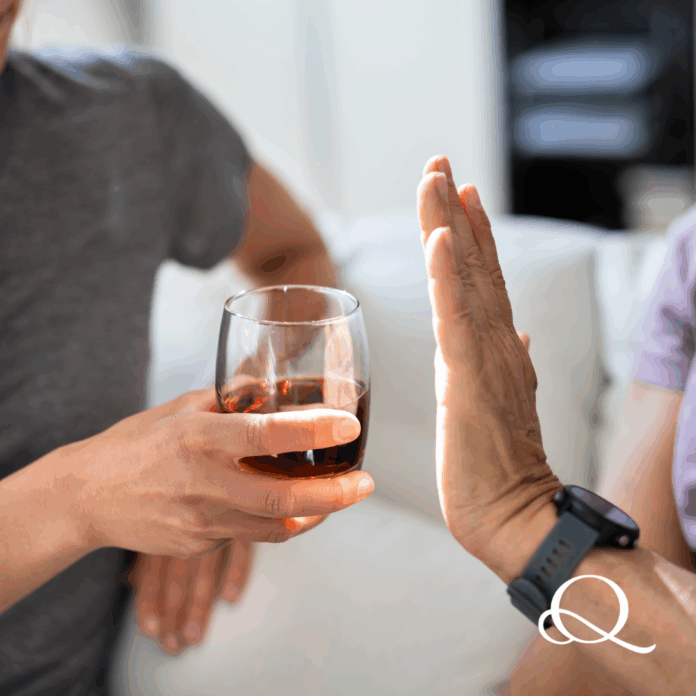
Alcohol has long been part of social culture, but medical understanding of its health impact has changed significantly in recent years. Alcohol is now classified as a Group 1 carcinogen, meaning there is strong evidence that it causes cancer in humans. This classification is made by the International Agency for Research on Cancer (IARC), the cancer research body of the World Health Organisation (WHO).¹
Alcohol is in the same carcinogen category as tobacco smoke and asbestos. Research shows that alcohol increases the risk of several cancers, including breast, bowel, liver, oesophageal, mouth and throat cancers.² The risk increases with the amount of alcohol consumed, and importantly, there is no completely safe level of alcohol consumption when it comes to cancer risk.³
For this reason, reducing alcohol intake or choosing not to drink at all is increasingly recommended as part of a healthy lifestyle.⁴
Why Reducing Alcohol Matters
Alcohol affects many systems in the body. Regular or moderate-to-high intake has been linked to:
- Increased cancer risk²
- Disrupted sleep and daytime fatigue⁵
- Anxiety and low mood⁶
- Weight gain due to energy-dense, nutrient-poor calories⁷
- Digestive symptoms and liver strain⁸
- Raised blood pressure and increased cardiovascular risk⁹
While alcohol may initially feel relaxing, it acts as a depressant as it leaves the body and can worsen sleep quality, emotional regulation and mental wellbeing.⁵˒⁶
The Benefits of Cutting Back or Taking a Break
Physical Health
Research shows that reducing or stopping alcohol can lead to:
- Improved sleep quality and energy levels⁵
- Reduced bloating, reflux and digestive discomfort⁸
- Improved skin hydration and appearance¹⁰
- Lower overall calorie intake, supporting weight management⁷
- Improved liver function over time¹¹
Mental and Emotional Wellbeing
People who reduce alcohol often report:
- More stable mood and reduced anxiety⁶
- Improved focus, memory and mental clarity¹²
- Feeling more refreshed and motivated¹²
Some of these benefits can be observed within days to weeks of reducing alcohol intake.¹²
Alcohol, Sleep and Mental Health
Alcohol interferes with deep and REM sleep, even when it helps people fall asleep initially. This disruption contributes to fatigue, irritability and reduced concentration the following day.⁵ Poor sleep quality is also linked to anxiety and low mood.⁶
Noticing differences in sleep and mood on drinking versus alcohol-free days can be a useful way to understand alcohol’s impact on your own wellbeing.
Considering a Reset? Why Some People Choose February
After increased alcohol consumption over the festive season, February can offer a natural opportunity to reset routines and reflect on drinking habits. For those unsure where to begin, a short, time-limited break can provide valuable insight into how alcohol affects their health.
One option some people choose is FebFast, a 28-day alcohol-free challenge.
What Is FebFast?
FebFast is a national fundraising initiative run by Foundation for Alcohol Research and Education (FARE).¹³ The program encourages people to give up alcohol — or another habit — for the month of February, while raising funds for alcohol harm prevention and mental health support services.
Funds raised support organisations such as Lifeline Australia, which provides free, confidential crisis support 24 hours a day across Australia.¹⁴ Participation is flexible and does not require fundraising to take part.
For many people, FebFast is not about long-term abstinence, but about building awareness, understanding drinking patterns, and starting healthier conversations about alcohol.
Tips if You’re Trying an Alcohol-Free Month
- Plan ahead for social situations
- Choose alcohol-free alternatives such as mocktails or non-alcoholic beer or wine, or a fizzy kombucha!
- Be aware of how you feel, any changes in sleep, mood, energy and focus
- Keep the goal simple and stay mindful of what small changes can have long-term health benefits
When to Speak With Your GP
Consider speaking with your GP if you notice:
- Ongoing poor sleep or fatigue
- Anxiety or low mood associated with drinking
- Digestive symptoms or skin changes
- Difficulty reducing alcohol or using alcohol to cope with stress
Support is confidential and focused on health and harm reduction.
Key Takeaway
Alcohol is now recognised internationally as a known carcinogen, and reducing intake is an important step in protecting long-term health. Whether you choose to cut back gradually or try an alcohol-free month like FebFast, even small changes can make a meaningful difference to physical health, mental wellbeing and overall quality of life.
Find your nearest practice and book an appointment today.References (APA)
- International Agency for Research on Cancer. (2012). Personal habits and indoor combustions (IARC Monographs, Vol. 100E). World Health Organisation.
- World Health Organisation. (2023). Alcohol and cancer.
- World Health Organisation. (2023). No level of alcohol consumption is safe for health.
- National Health and Medical Research Council. (2020). Australian guidelines to reduce health risks from drinking alcohol.
- Sleep Health Foundation. (2021). Alcohol and sleep.
- Beyond Blue. (2023). Alcohol and mental health.
- NSW Health. (2022). Alcohol and weight gain.
- Alcohol and Drug Foundation. (2023). Effects of alcohol on the body.
- Heart Foundation. (2021). Alcohol and heart health.
- Drinkaware. (2022). What happens when you stop drinking alcohol.
- UNSW Newsroom. (2025). Health benefits timeline after stopping alcohol.
- Alcohol and Drug Foundation. (2023). Short-term benefits of reducing alcohol.
- Foundation for Alcohol Research and Education. (2024). About FebFast.
- Lifeline Australia. (2024). About Lifeline and crisis support services.
