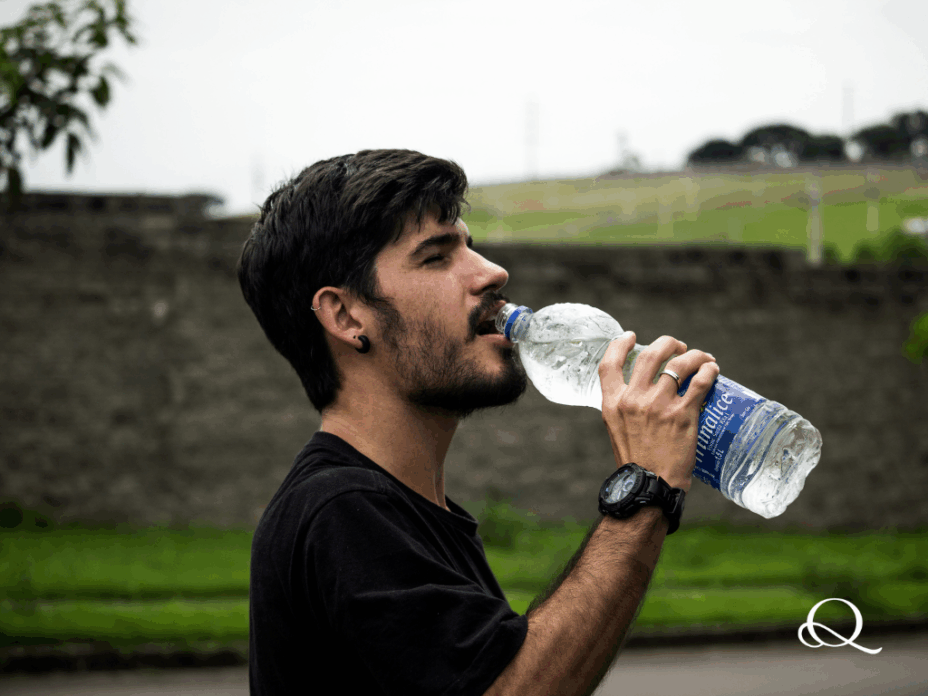
Australian summers are known for their heat and long, sunny days. While warmer weather encourages outdoor activity and time with family and friends, it also increases the risk of dehydration. Drinking enough water may seem simple, but it is one of the most effective ways to support your health, energy levels, and overall wellbeing during the hotter months.
Dehydration can affect anyone, at any age. Being aware of early signs and knowing how to prevent them can help you stay safe and well throughout summer.
Why Water Is Vital for Your Body
Water is essential for almost every function in the body. It helps transport nutrients, supports digestion, cushions joints and muscles, regulates body temperature, and assists in removing waste through urine and sweat. Adequate hydration also supports brain function, concentration, and energy levels.
In hot weather, your body loses more fluid through sweating, making regular water intake particularly important. Staying hydrated also supports oral health, as water helps maintain saliva production and protects teeth and gums.
Understanding Dehydration
Dehydration occurs when your body loses more fluid than it takes in. Even mild dehydration can cause symptoms such as tiredness, dizziness, headache, or difficulty concentrating. More severe dehydration can lead to constipation, urinary tract infections, kidney stones, and heat-related illness.
Fluid loss happens naturally throughout the day through urination, sweating, and breathing. Hot weather, exercise, outdoor work, illness, vomiting, diarrhoea, or fever can all increase fluid needs.
How to Tell If You Are Well Hydrated
A simple way to check hydration is by looking at the colour of your urine:
- Pale yellow or straw coloured usually indicates good hydration
- Dark yellow or amber suggests you may need more fluids
Some medications and supplements can affect urine colour, so it is helpful to also consider how often you are drinking and how you feel overall.
Who Needs Extra Care in Summer
Some people are more vulnerable to dehydration, particularly in hot weather:
- Babies and children
- Older adults
- Pregnant or breastfeeding women
- People with kidney, heart, or metabolic conditions
- People taking medications that increase fluid loss, such as diuretics
Extra attention to hydration can help prevent heat-related illness in these groups.
Dehydration in Children: What to Look Out For
Children are at higher risk of dehydration because they lose fluid more quickly and may not recognise or communicate thirst clearly.
Signs of dehydration in babies and children may include:
- Fewer wet nappies or trips to the toilet
- Dark urine or strong-smelling urine
- Dry lips or mouth
- Lethargy, irritability, or reduced activity
- Sunken eyes or fontanelle in infants
- Dizziness or headache in older children
Children can become dehydrated quickly during hot weather, illness, sport, or outdoor play, so early recognition is important. Keep frozen electrolyte pops in the freezer and remind them to sip water often, especially on hot days.
Preventing Dehydration in Children
- Offer water regularly, not just when children ask for it
- Encourage water breaks during play, sport, and school holidays
- Provide water-rich foods such as watermelon, oranges, cucumber, and yoghurt
- Send children to school, childcare, or activities with a full water bottle
- Avoid sugary drinks, which can worsen dehydration
- Increase fluids during illness, especially if there is vomiting or diarrhoea
Babies under six months should not be given water unless advised by a health professional. Breastfed or formula-fed babies may need more frequent feeds during hot weather.
Simple Ways to Stay Hydrated as an Adult
Staying hydrated does not need to be complicated. Small, consistent habits can make a big difference.
- Carry a refillable water bottle and sip throughout the day
- Drink water regularly rather than waiting until you feel thirsty
- Keep water chilled or add ice to make it more appealing
- Add natural flavour with lemon, lime, berries, or mint
- Eat plenty of fruits and vegetables with high water content
- Increase fluid intake during exercise, outdoor work, or hot days
- Trust Australian tap water, which is safe, affordable, and fluoridated for dental health
- Use phone reminders or apps if you forget to drink regularly
When to See a GP
Seek medical advice if you or your child experiences:
- Persistent dizziness, confusion, or extreme fatigue
- Very low urine output
- Ongoing vomiting or diarrhoea
- Signs of heat exhaustion or heat stroke
- Concerns about hydration in babies, older adults, or during illness
Early support can prevent more serious complications.
At Qualitas Medical Practice, our GPs can provide personalised advice on hydration, heat safety, and managing fluid needs during illness or hot weather.
Drinking water regularly is one of the simplest and most effective ways to protect your health during an Australian summer. Staying hydrated supports energy, concentration, digestion, and temperature control, and reduces the risk of dehydration and heat-related illness.
If you have concerns about hydration for yourself or your family, your GP is a good place to start.
References
¹ Australian Government Department of Health. (n.d.). Water and healthy living. https://www.health.gov.au/topics/water-and-healthy-living
² Healthdirect Australia. (n.d.). Dehydration. Australian Government Department of Health. https://www.healthdirect.gov.au/dehydration
³ NSW Health. (n.d.). Keeping children safe in the heat. https://www.health.nsw.gov.au/environment/beattheheat
⁴ Raising Children Network. (n.d.). Dehydration in children. https://raisingchildren.net.au/health/illnesses-injuries/common-illnesses/dehydration
